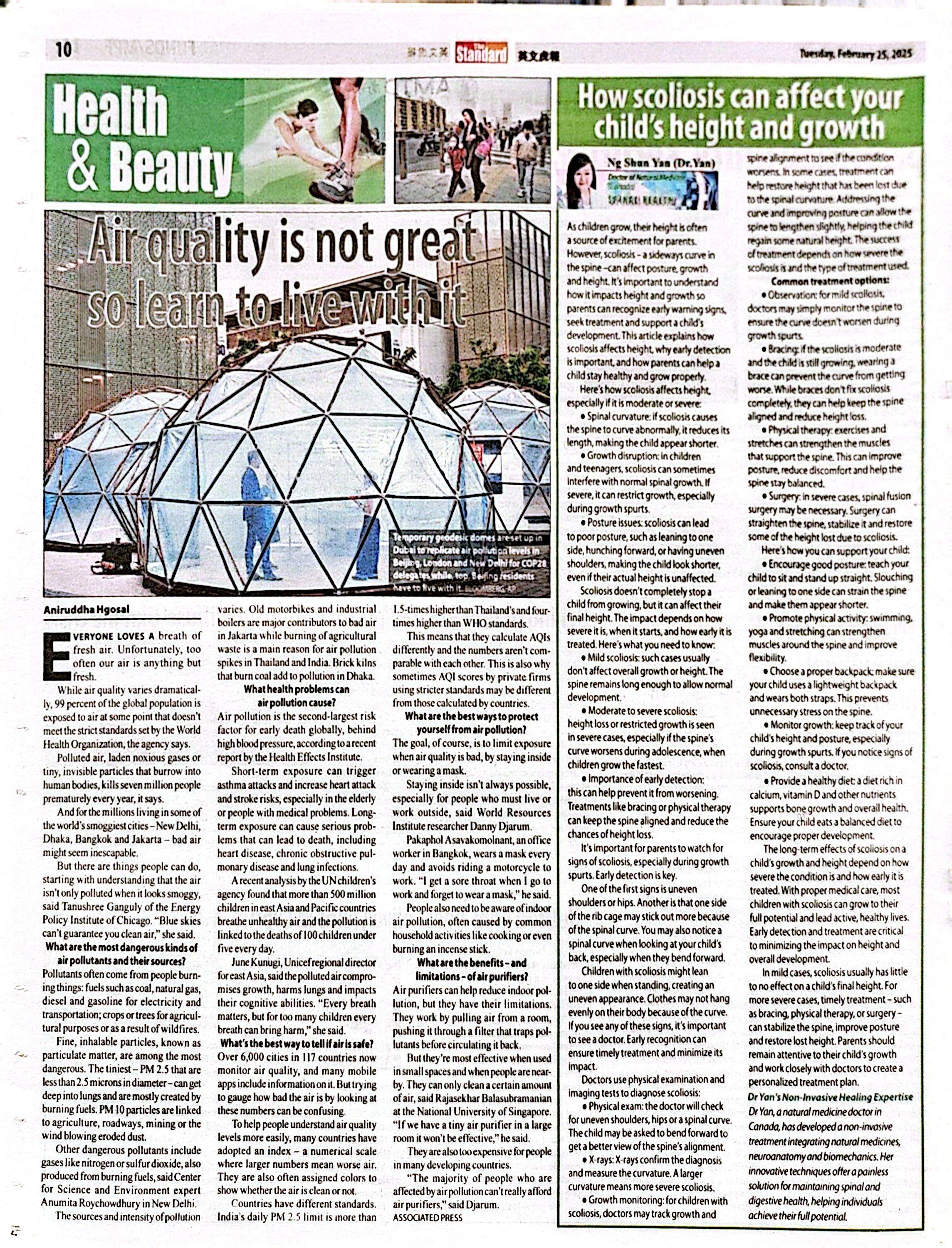
As children grow, their height is often a source of excitement for parents. However, scoliosis - a sideways curve in the spine -can affect posture, growth and height. It's important to understand how it impacts height and growth so parents can recognize early warning signs, seek treatment and support a child's development. This article explains how scoliosis affects height, why early detection is important, and how parents can help a child stay healthy and grow properly.
Here's how scoliosis affects height, especially if it is moderate or severe:
- Spinal curvature: if scoliosis causes the spine to curve abnormally, it reduces its length, making the child appear shorter.
- Growth disruption: in children and teenagers, scoliosis can sometimes interfere with normal spinal growth. If severe, it can restrict growth, especially during growth spurts.
- Posture issues: scoliosis can lead to poor posture, such as leaning to one side, hunching forward, or having uneven shoulders, making the child look shorter, even if their actual height is unaffected.
Scoliosis doesn't completely stop a child from growing, but it can affect their final height. The impact depends on how severe it is, when it starts, and how early it is treated. Here's what you need to know:
- Mild scoliosis: such cases usually don't affect overall growth or height. The spine remains long enough to allow normal development.
- Moderate to severe scoliosis: height loss or restricted growth is seen in severe cases, especially if the spine's curve worsens during adolescence, when children grow the fastest.
- Importance of early detection: this can help prevent it from worsening. Treatments like bracing or physical therapy can keep the spine aligned and reduce the chances of height loss.
It's important for parents to watch for signs of scoliosis, especially during growth spurts. Early detection is key.
One of the first signs is uneven shoulders or hips. Another is that one side of the rib cage may stick out more because of the spinal curve. You may also notice a spinal curve when looking at your child's back, especially when they bend forward.
Children with scoliosis might lean to one side when standing, creating an uneven appearance. Clothes may not hang evenly on their body because of the curve. If you see any of these signs, it's important to see a doctor. Early recognition can ensure timely treatment and minimize its impact.
Doctors use physical examination and imaging tests to diagnose scoliosis:
- Physical exam: the doctor will check for uneven shoulders, hips or a spinal curve. The child may be asked to bend forward to get a better view of the spine's alignment.
- X-rays: X-rays confirm the diagnosis and measure the curvature. A larger curvature means more severe scoliosis.
- Growth monitoring: for children with scoliosis, doctors may track growth and spine alignment to see if the condition worsens. In some cases, treatment can help restore height that has been lost due to the spinal curvature. Addressing the curve and improving posture can allow the spine to lengthen slightly, helping the child regain some natural height. The success of treatment depends on how severe the scoliosis is and the type of treatment used.
Common treatment options:
- Observation: for mild scoliosis, doctors may simply monitor the spine to ensure the curve doesn't worsen during growth spurts.
- Bracing: if the scoliosis is moderate and the child is still growing, wearing a brace can prevent the curve from getting worse. While braces don't fix scoliosis completely, they can help keep the spine aligned and reduce height loss.
- Physical therapy: exercises and stretches can strengthen the muscles that support the spine. This can improve posture, reduce discomfort and help the spine stay balanced.
- Surgery: in severe cases, spinal fusion surgery may be necessary. Surgery can straighten the spine, stabilize it and restore some of the height lost due to scoliosis.
Here's how you can support your child:
- Encourage good posture: teach your child to sit and stand up straight. Slouching or leaning to one side can strain the spine and make them appear shorter.
- Promote physical activity: swimming, yoga and stretching can strengthen muscles around the spine and improve flexibility.
- Choose a proper backpack: make sure your child uses a lightweight backpack and wears both straps. This prevents unnecessary stress on the spine.
- Monitor growth: keep track of your child's height and posture, especially during growth spurts. If you notice signs of scoliosis, consult a doctor.
- Provide a healthy diet: a diet rich in calcium, vitamin D and other nutrients supports bone growth and overall health. Ensure your child eats a balanced diet to encourage proper development.
The long-term effects of scoliosis on a child's growth and height depend on how severe the condition is and how early it is treated. With proper medical care, most children with scoliosis can grow to their full potential and lead active, healthy lives. Early detection and treatment are critical to minimizing the impact on height and overall development.
In mild cases, scoliosis usually has little to no effect on a child's final height. For more severe cases, timely treatment - such as bracing, physical therapy, or surgery - can stabilize the spine, improve posture and restore lost height. Parents should remain attentive to their child's growth and work closely with doctors to create a personalized treatment plan.
Dr Yan's Non-Invasive Healing Expertise
Dr Yan, a natural medicine doctor in Canada, has developed a non-invasive treatment integrating natural medicines, neuroanatomy and biomechanics. Her innovative techniques offer a painless solution for maintaining spinal and digestive health, helping individuals achieve their full potential.
Source URL : How scoliosis can affect your child's height and growth | Spinal Health | Ng Shun-yan (Dr. Yan) | The Standard
https://www.thestandard.com.hk/opinion/article/2081/
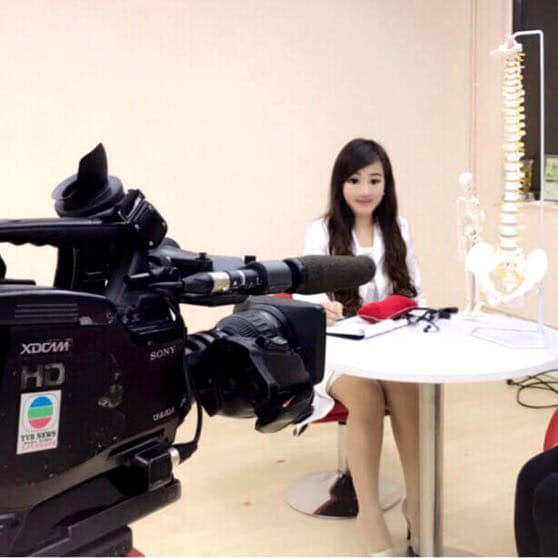
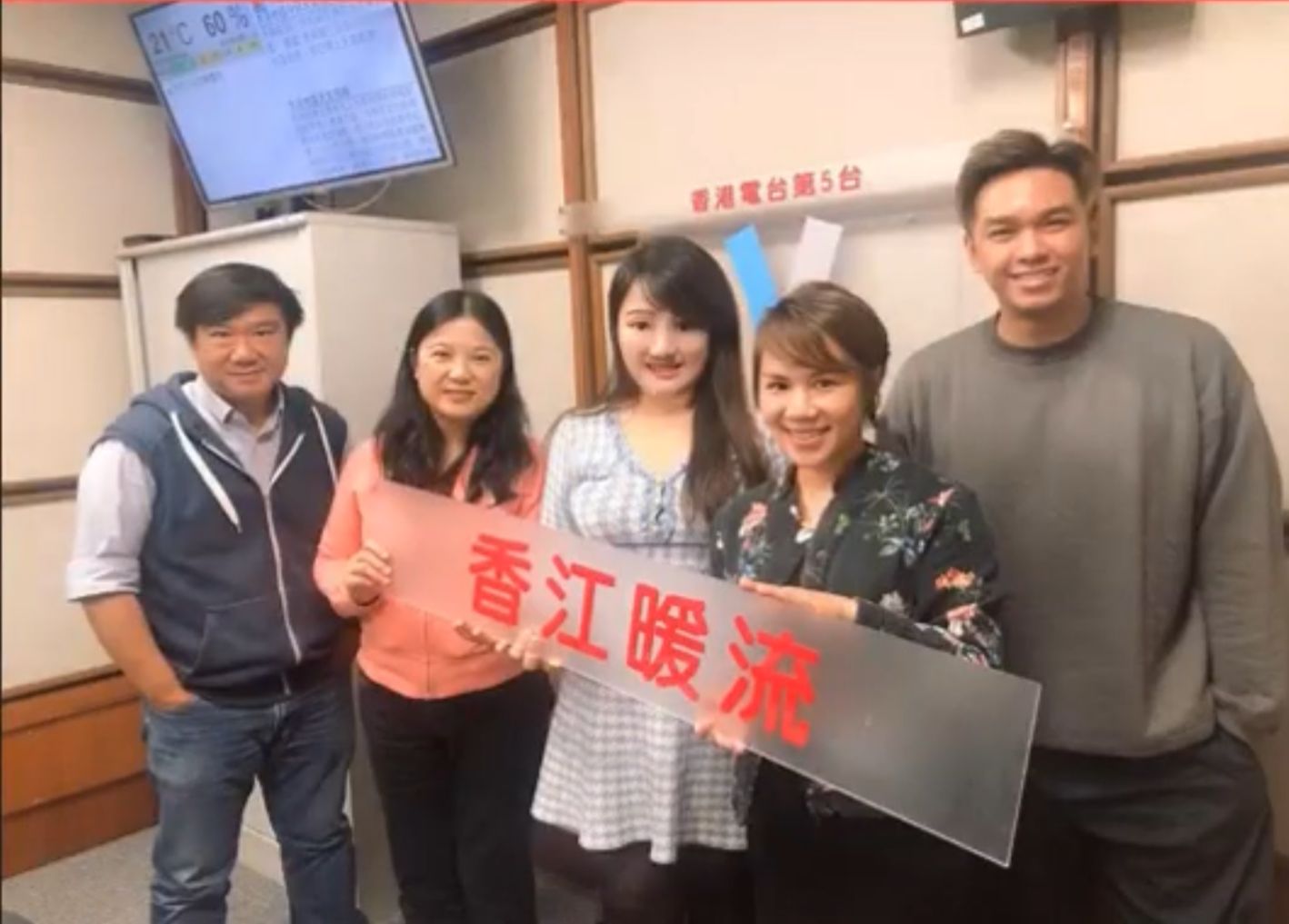
承蒙《無綫電視》的邀請,Dr Yan接受TVB醫學節目《快樂長門人》一連兩集的專訪,向觀眾講解骨骼常見問題,以及如何防止骨骼移位等,加強大家對骨骼健康的關注,並提供有關健康的知識及健康管理之道。
如果你或家人親友都有受骨骼問題困擾,可以預約檢查。
網上預約 一對一免費骨骼檢查 (#只限登記日起7天内)
Dr. Yan骨骼健康資訊
25881388
WhatsApp https://bit.ly/2ye5PC6 (65672685)
~~~~~~~
創新科研醫學博士 Dr. Yan - 健康科技管理課程創辦人及首席講師, 全A成績於香港科技大學碩士畢業。
曾接受以下媒體訪問:
《Wealth 財經雜誌》封面訪問、《生活寶庫》封面訪問、《東方日報》、《明報》、《經濟日報》、《信報》及《TVB News 無線電視》
為以下機構擔任顧問:
《荷花親子平台》、為以下機構擔任專欄作家、《信報教育》、《中藥醫緣》、《香港貿易發展局SME Boss月刊》、《東方新地》、《兒童快報·媽咪快報》、《Wealth Magazine》及《She.com Pro. Chat 》